
Hugelkultur for Alaska?

I really want to try this, we have old piles of trees that are burn piles now. Just think how interesting it would be to use those logs and brush for hugelkultur!

Hugelcultur

Insect identification resources

Being able to identify common insects in your berry stand will help you understand the relationships between plants and insects to help you become a better manager. A majority of the insects encountered in wild and cultivated berry stands play a beneficial role, such as pollinators or predators of potential pests, but some may be pests that decrease yields. Below are some resources that growers can consult as a starting point to learning more about insects in Alaska.

Books:

Insects of South-central Alaska by Dominique Collet. Although the title professes a focus on south-central Alaska, most species described can be found throughout the state. Excellent photos and descriptions make this a useful guide for the amateur through professional.

Agencies:

Cooperative Extension Service – Integrated Pest Management program. Have you collected an insect that you suspect is a pest? You can contact your local IPM technician for assistance identifying the insect and to provide you with management information. If you live in an area without a local Cooperative Extension Office and are good with a camera you can submit photos and information through the digital portal and be connected with the nearest IPM technician. Through the Extension IPM website you can also search available publications, such as Beneficial Insects and Spiders of Alaska.

US Forest Service – Forest Health Protection Program. Their website has resources about forest pests, some of which cross-over to berry plants.

Websites:

UAF Museum of the North – Entomology Collection. Learn more about the variety of insects that have been documented in Alaska. This website, and the searchable ARCTOS database, is most useful if you already know a bit about the insect in question and you are just checking to confirm its existence in Alaska. You can also look through all the insect records in ARCTOS that have pictures in the record.

Alaska Entomological Society – Are you REALLY interested in Alaska’s insects? You may want to consider joining this society to support further investigation and awareness of Alaska’s insects.

Berries Northwest – Although not Alaska specific, this site could be an excellent first step to diagnosing an insect or pest problem. You can search by crop or pest, then look through descriptions and management options.

Vattlingon or “Water lingonberries”

“Vattlingon” is a very simple method for preservation of lingonberries – simply fill a jar with washed lingonberries, then poor clean water over the berries and store them  for  several months in the fridge or cellar. According to Hank Shaw of Honest-food.net: “The effect is to mellow the extreme tartness and tannins in fresh cranberries, leaving them pleasantly acidic and slightly sweet.” Naturally occuring benzoic acid in the lingonberries is a preservative that allows one to store in this manner without adding salt or other preservatives to the mix. How do you get clean water? Simply boil your tap water then allow it to cool before pouring over the berries.

How will you use the lingonberries after they have been stored? A traditional use is to serve a small dish (think shot-glass size) of vattlingon as dessert during the Christmas season. Whipped cream and sugar can be added if it is available, but is not always necessary because the water presercation has mellowed the acidity and added a slight sweetness. Another important use is to consume the liquid in the jar. Or you can get more creative and incorporate vattlingon into main courses, such as these recipes for spring salmon and grouse with rosemary and cranberries.

Raspberry FLowering and Pollinators

Here is a short summary of USDA ARS research on raspberry flowering and pollination. The bottom line? Know your origin! Wild raspberries are partly or wholly self incompatible; cultivated ones are self fertile and even may have apomictic seeds meaning pollination is not even necessary.Raspberry Pollination

Climate Change Effects on Tribal Resources

Climate change is something that has influenced and will continue to affect berry habitats. The EPA has a slide deck regarding an Alaska project on this subject, “Impacts of Climate Change on Health Benefits of a Tribal Alaskan Resource: Integrating Traditional Ecological Knowledge With Risk Assessment Through Local Monitoring.” Some great photos and interesting survey results: Climate Change Effects in Alaska

Mycorrhizal Associations and Phosphorus

If you think Mycorrhizae are pretty neat, there are lots of YouTube videos that will tell you more about this subject. Here is one on enhanced phosphorous uptake: Mycorrhizal associations and phosphorus

Pests, diseases, IPM

Whether your berry’s pests are plant, insect or disease – these folks can help you out:IPM . You’re also helping others by using this site as you can help identify trends in Alaska.

Organic Plant Nutrition

How about some organic ways to fertilize gardens and berry patches!

Organic  recipes   Remedies

Gooseberries and Currants

Specialty crop profile from Virginia Cooperative extension on gooseberries and currants!

Gooseberries and Currants

White Currants

White currants hardly ever get any attention it seems like. This is a site gives some good outlines on how to grown and care for white currants along with some possible pests that might trouble you.

White Currants

Fireweed preserves

I made fireweed preserves with the vast amount of plants in front and around my cabin this summer. The process is quite easy, and can sustain your jam needs through the summer, depending on how much you wildcraft. 😉

I personally only take what I need. I believe in the ethics of wildcrafting, in which  you harvest one or two discovered patches and leave the rest to others to discover and forage.

You simply boil the flowers for about 2 hours, strain them and let it sit for about 5 hours once you mix in the sugar, and pectin if you like. I opt out on the pectin and add a little rhubarb to thicken it up.

I find this recipe very tasty and highly recommend it.

Happy foraging!

Low-Bush Cranberries in the Interior

What an abundant plant this summer! I foraged a lot of cranberries this summer, and struggled a bit with how to eat them.

(They are quite bitter)

I ended up making a cranberry jam/sauce mixed with sugar, onion, and pepper. Strange combination that is actually very tasty on almost anything!

Wild cranberries can be hard to really find a good, and enjoyable use for, but when mixed with enough ingredients can be good.

Need less to say, cranberries are also very accessible in this area and we should become accustomed to eating the native plants, since it is the most sustainable way of eating.

Sorbus and Aronia

Another berry I was wondering about is Sorbus (Mountain ash) and Aronia (chokeberries). It is very typical berry in Russia. Red Sorbus is used a lot for crafts – kids will make necklaces out of it. Aronia is used in jams, preserves and compote.

Sorbus and Aronia

Cloudberry Recipes

From my father-in-law’s favourite (sic) newspaper.  I’ll try it! http://www.telegraph.co.uk/foodanddrink/recipes/6009978/Arctic-cloudberry-recipes-Northern-lights.htmlCloudberry recipes

Berry Folklore

In addition to the science, there are also cultural aspects to berries that are worth noting. Some berry folklore for you, compiled by Cornell University: Berry Folklore

Invasive Berries

I was curious to know if there were any invasive species that also served as popular berry harvesting crops, and found an article about the beloved scourge of Himalayan blackberries (Rubus armeniacus) in Seattle. These thorny shrubs readily colonize disturbed soils. The problem is so bad, a Rent-a-Ruminant business was spawned to sustainably address the issue. They owner specializes in urban areas and runs a goat herd 120 strong.

All that being said, the berry holds a special place with foragers throughout the city. I’m sure it’s easy to forget how destructive they are when your house smells like fruit pie. Bittman, M. and D. Gardner. 2008. Deliciously invasive: Himalayan blackberries in the Pacific Northwest. Available online: Invasive Berries

Alaska Wineries

At least two wineries that I know of make wine using Alaska berries. Bear Creek Winery in Homer (Bear Creek Winery) makes wine with many different grapes and even rhubarb. They do tastings at the winery and the wines are available in Fairbanks.

I haven’t tried any of Alaska Berries wines (Alaska Berries) but they advertise 100% Alaska berry wines!

Berries for Skin Care

Berries for your skin!

Berries for Skin Care

Berry Guide

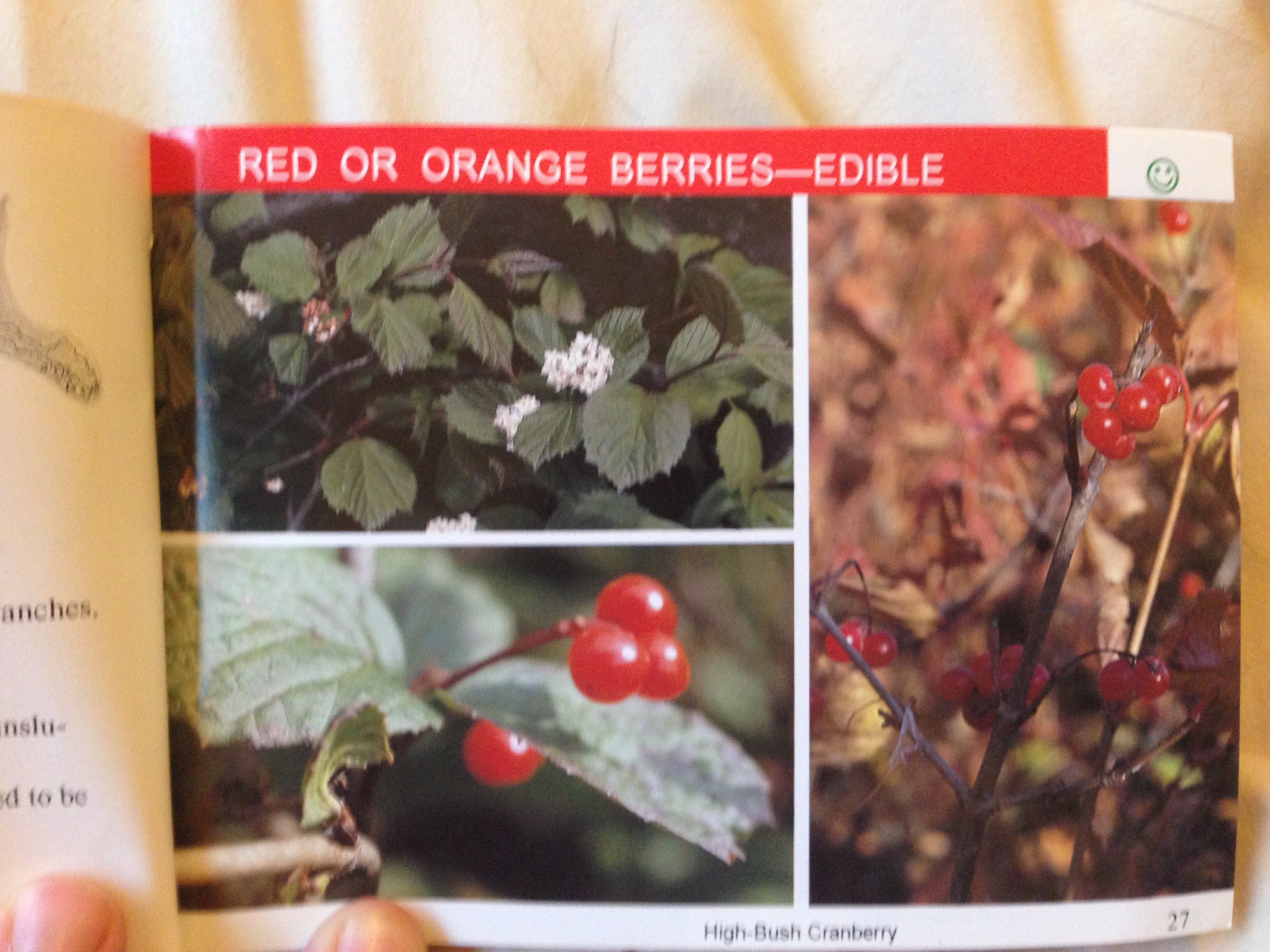
I wanted to share one of my favorite berry guides. It’s a small book that you can slip in your pocket while you berry pick and has great full-color pictures of both flowers and berries on each berry plant. They also categorize berries according to color and if they are poisonous. Really handy.Berry Guide Berry guide2

Bog blueberry Management

So, I used google to look up “Wild bog blueberry” and I found this paper on managing wild stands of a few types of berries in Alaska.  It is right in line with what we are currently studying.  Turns out, it’s from our Prof! Bog blueberry management