
Category Archives: Berry Types

What to do with old raspberry canes

I haven’t tried this yet but I really like making my own cards and thought what a great idea to use the old raspberry canes that are usually used for compost or just tossed and burned.
Raspberry cane paper

Work with haskaps

Others doing some work with Haskap Haskaps

Salad Spinner Lingonberry Cleaner

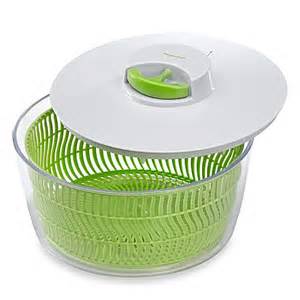
I wanted to share a quick and easy method that I use to sort leaves, dirt, and stems from my lingonberries (and it could be used for a variety of berries). I collected a few gallons of lingonberries this fall and didn’t really want to sort them by hand. I used a plastic insert from a salad spinner. It has slits that are lengthwise instead of holes like a colander. The slits catch the leaves and it is easy to shake the debris off the berries. Here is a similar one to what I used:salad spinner

Cloudberry Management on a Norwegian Farm

Cloudberry Management

Good info about cloudberries and their significance in Norway. Great photos of berries – sheep and horses too. Family hopes to encourage cloudberries to grow on their farm and describes the steps they have taken so far.

Wild Strawberries

I was wondering if there are much of wild strawberries in Alaska. They are really popular in Russia. Wild Strawberries in Russia

Honeyberry, haskap plant sources

Honeyberries, aka haskap, are easy to grow in the interior.  Two good sources:

Tanana Valley Farmer’s market next year–track down Larry Duffy in the spring.  He has a great selection, and knows which ones to grow in combination for pollination.

Fedco Trees, out of Maine.  You must order between January and March (I think–there is a cut-off in mid spring when they will not accept any more orders).  You can choose your ship date (I usually choose the first week of May) http://fedcoseeds.com/trees/

FYI, St. Lawrence Nursery in northern NY is under new management, and has a limited offering next year.  They will likely not be selling their dwarf sour cherries or honeyberries.

Blueberry Wine!

I have been making wine for a few years now, mostly focusing on birch flavored ones, but blueberry wine has always stuck out as an obvious option that should be explored. This site has what looks like an excellent recipe for the first batch.

A good year for Blueberries in Interior Alaska (if you had the right elements at your spot)

This year was phenomenally prolific for me in my quest for blueberries. Early and abundant, then continued production all the way through mid-August. This was not the report that I heard from everyone I know who seeks the Interior blueberry.  Hit and miss, no show, or picked out was what I heard more than anything else. We travel far and wide to find the best spots and have a few different areas scoped out for different types of seasons. When spot x is showing nothing, spot y will usually be flush and so on. This proved to be right on the money again this year and while a few spots were low yielding, most of our others were fantastic. The combination of factors that leads to good berry yields has always fascinated me and continues today.  The Peninsula Clarion ran a story this year pointing out the difference between regions and spots on berry harvest.

Seaberry

A new favorite berry plant of mine is the seaberry, Hippophae rhamnoides also called sea-buckthorn. The seed catalog where I purchased mine from, One Green World, enticed me with tidbits like “Grow your own orange juice” and “improves the soil”. I purchased three plants from them three years ago. I purchased two female and one male plant because they are dioecious. Although I didn’t see any flowers on the two female plants early on this spring/summer, I was surprised to find berries mid-August. One drawback with this plant is the huge thorns which makes harvesting difficult. Further research will be conducted in locating less hazardous harvesting methods. I discovered another internet site with some interesting information which shares growing information and health benefits, The Sea Buckthorn Insider. I’m amazed at the versatility of this plant.

Reference:

One Green World. 2014. Seaberry. Available online: https://www.onegreenworld.com/Sea%20Berry/397/ . Accessed 25 September 2015.

The Sea Buckthorn Insider. 2014. Sea-buckthorn trees. http://www.seabuckthorninsider.com/education/sea-buckthorns-trees/ . Accessed 25 September 2015.

Harvesting Red Currants

Here’s a video where red currants are being collected by “pamputus”, hit by a stick, then cleaned. Fast picking, fast cleaning. I wonder is all that hitting good for the plant..?

The quality of the video is poor, but you’ll see the point!

Red Currant Harvesting

Strawberry- end of season care

t’s close to the time of year when strawberry plants need to be tucked in for the winter.  This website offers detailed advice on the whens, hows, and whys of mulching strawberries. Wintering Strawberries.  There are links to more useful strawberry information including overwintering strawberries in containers.

Baneberry vs. Highbush Cranberry

High bush cranberries and baneberries Anyone who as thumbed through a book or perused a website about Alaska berries knows about baneberries.  They are highly poisonous and to be avoided at all costs.  I figured that was simple enough to do.  Baneberries seemed distinctive from other berries.  They could easily be spotted and distinguished on their own in the woods.  I thought they shouldn’t be difficult to avoid.  Recently I was picking high bush cranberries and learned how easy it could be to mistakenly add some baneberries to your highbush cranberry harvest.  The baneberry plants were growing alongside the high bush cranberries and the branches intertwined.  Both berries have black dots in the center of the red.  The high bush cranberries are translucent while the baneberries are opaque, but the distinction is small.  Both berries were soft at the time I was picking.   The leaves of the plants are shaped differently, but have a lot of similarities and are difficult to distinguish from one another when you are in the bushes and everything around you is green.   It seemed easy enough that when reaching for a handful of cranberries, one might pick one or two of the baneberries as well.   Being that small amounts can do lots of damage, it was alarming.  Luckily we were paying close enough attention and avoided any trouble.  The highbush cranberry bushes were very tall in that area and the baneberry plants were all below the waste.  I passed over all the high bush cranberries that were growing low and discarded any somewhat questionable berries.  I rechecked when cleaning the highbush cranberries at home.  When juicing the berries for jelly, I didn’t come across any different looking seeds.  alaskanescapade.com has an entry that warns about this possible confusion http://alaskanescapade.com/poisonous-plants-of-alaska/red-baneberry/    Alaska poisonous plants

Highbush Cranberry ketchup

One type of berry I picked a lot of this summer were highbush cranberries. I bought a food mill so that I could easily remove the flat seeds and use the pulp. They are still in my freezer, but one of my friends made a batch of this highbush cranberry ketchup. It ended up being more like sweet and sour sauce. Here is the recipe:

Highbush cranberry

Juniper Berries

Junipers and another great Blog:

I have ornamental junipers (J. horizontalis mostly–varieties like Blue Rug) all over the steep parts of my property, and I just noticed that they are finally old enough to produce fruit.  According to this blogsite, juniper berries can take more than one year to mature.

Juniper Berries

All about the Bunchberry

When I started harvesting berries I kept coming across a little plant close to the ground that had a little “bunch” of berries at the top. I found out that these were bunchberries, and they grew on plant called a dwarf dogwood (Cornus canadensis). I was told that the berries were edible, but not particularly tasty. Since then I have learned a little more about this plant. Here are some interesting things about the bunchberry:

They are very high in pectin and often mixed into more tasty berries in order to help them set in jams and jellies. In fact you can find recipes for pectin derived from bunchberries available on the internet.

The leaves of the dwarf dogwood turn a beautiful red color in the fall and you can often see them on the mountains here in southcentral Alaska as large patches of red.

They are the ‘fastest’ plant when they open their petals to pollinate (22 feet per second!).

Here is a great source of information on the humble bunchberry:

Bunchberry

History of the Blueberry Industry

A story on the history of wild blueberry cultivation and how it began in the pine barrens of New Jersey
Blueberry History

Early and Groundbreaking work with Blueberries

Original reports on the ground breaking work done by botanist Frederick Coville on the cultivation of wild blueberries (early 1900s).   Surprisingly readable.

Experiments in Blueberry Culture, 1911 – discovery of soil needs of blueberries and implications for commercial production.
Blueberry research

Directions for Blueberry Culture, 1916  – Five years later. What has been learned. Notes work done at Whitebogs, NJ.
Blueberry culture

Spiced Cranberry Sauce

Spiced Highbush Cranberry Sauce Many of my friends have varying relationships with the highbush cranberry. Some love the pungent odor that reminds them of fall’s approach while others find it positively rank. Some love the look of the berries on the shrub, sparkling like jewels and persistent even after snowfall, but don’t understand why I would waste my time picking something so bitter and seedy. My favorite way to convince people of the culinary merits of highbush cranberry is by serving them as a spiced sauce over grilled spruce grouse that we hunt with the help of our little black lab, Friday. Spiced Highbush Cranberry Sauce Yield: 4 cups
  • 6 cups of highbush cranberries
  • ½ cup water
  • 1 ½ cups onion,finely chopped
  • 2 cups of sugar
  • 1 cup cider vinegar
  • ½ tablespoon cloves
  • ½ tablespoon allspice
  • ½ tablespoon celery salt
  • ½ tablespoon cinnamon
  • ½ teaspoon pepper
Cook the cranberries in the water until soft and then put them through a foodmill or sieve to remove the large seeds. Add the onion, vinegar, sugar and spices to the de-seeded fruit. Boil until the mixture thickens and the proper consistency is reached. Let cool. If jarring, follow Extension guidelines for safe boiling water bath processing. Dinstel, R. 2013. Available online: http://www.uaf.edu/files/ces/publications-db/catalog/hec/FNH-00112.pdf. Accessed 20 Sept., 2015.

Recipes from Russia!

thought it might be interesting to add some Russian recipes to the blog: Russian Recipes

Rose Hip Butter!

Rose hips are best collected in the fall; some say after the first frost. I just collect them when they are ripe but still firm and not overly mushy.  You will need to remove the stem, blossom end, and seeds for this recipe. To do this I take off the outer parts and use a food mill to remove the seeds after cooking in just enough water to slightly cover the rose hips. I bring the hips to a boil and then simmer for about 15 minutes. After processing your hips in the food mill you have the puree for the recipe.

Ingredients: 5 Cups of rose hip puree

5 Cups of sugar

2 Tablespoons lemon juice

2 teaspoons cinnamon

1 teaspoon allspice

1/2 teaspoon cloves and nutmeg

Sterilize the jars and prepare lids for canning. Combine all ingredients together in a saucepan and bring to a full rolling boil, stirring constantly. Boil until the mixture darkens and becomes thick. This can take an hour or more depending on the thickness you like. Poor into hot jars and leave 1/4- inch head space. Remove stray puree from jar rims with a damp cloth, then secure a lid to each jar with a band. Process jars for 5 minutes in a boiling water bath.  Remove jars from the bath and leave undisturbed until the lids are sealed.  You should hear each jar “ping” as it seals, leaving the lid with a taut, slightly dished appearance.  Leave the jars undisturbed until fully cooled.