Author Archives: Hortalaska Berries

Cloudberry Recipes

From my father-in-law’s favourite (sic) newspaper.  I’ll try it! http://www.telegraph.co.uk/foodanddrink/recipes/6009978/Arctic-cloudberry-recipes-Northern-lights.htmlCloudberry recipes

Berry Folklore

In addition to the science, there are also cultural aspects to berries that are worth noting. Some berry folklore for you, compiled by Cornell University: Berry Folklore

Invasive Berries

I was curious to know if there were any invasive species that also served as popular berry harvesting crops, and found an article about the beloved scourge of Himalayan blackberries (Rubus armeniacus) in Seattle. These thorny shrubs readily colonize disturbed soils. The problem is so bad, a Rent-a-Ruminant business was spawned to sustainably address the issue. They owner specializes in urban areas and runs a goat herd 120 strong.

All that being said, the berry holds a special place with foragers throughout the city. I’m sure it’s easy to forget how destructive they are when your house smells like fruit pie. Bittman, M. and D. Gardner. 2008. Deliciously invasive: Himalayan blackberries in the Pacific Northwest. Available online: Invasive Berries

Alaska Wineries

At least two wineries that I know of make wine using Alaska berries. Bear Creek Winery in Homer (Bear Creek Winery) makes wine with many different grapes and even rhubarb. They do tastings at the winery and the wines are available in Fairbanks.

I haven’t tried any of Alaska Berries wines (Alaska Berries) but they advertise 100% Alaska berry wines!

Berries for Skin Care

Berries for your skin!

Berries for Skin Care

Berry Guide

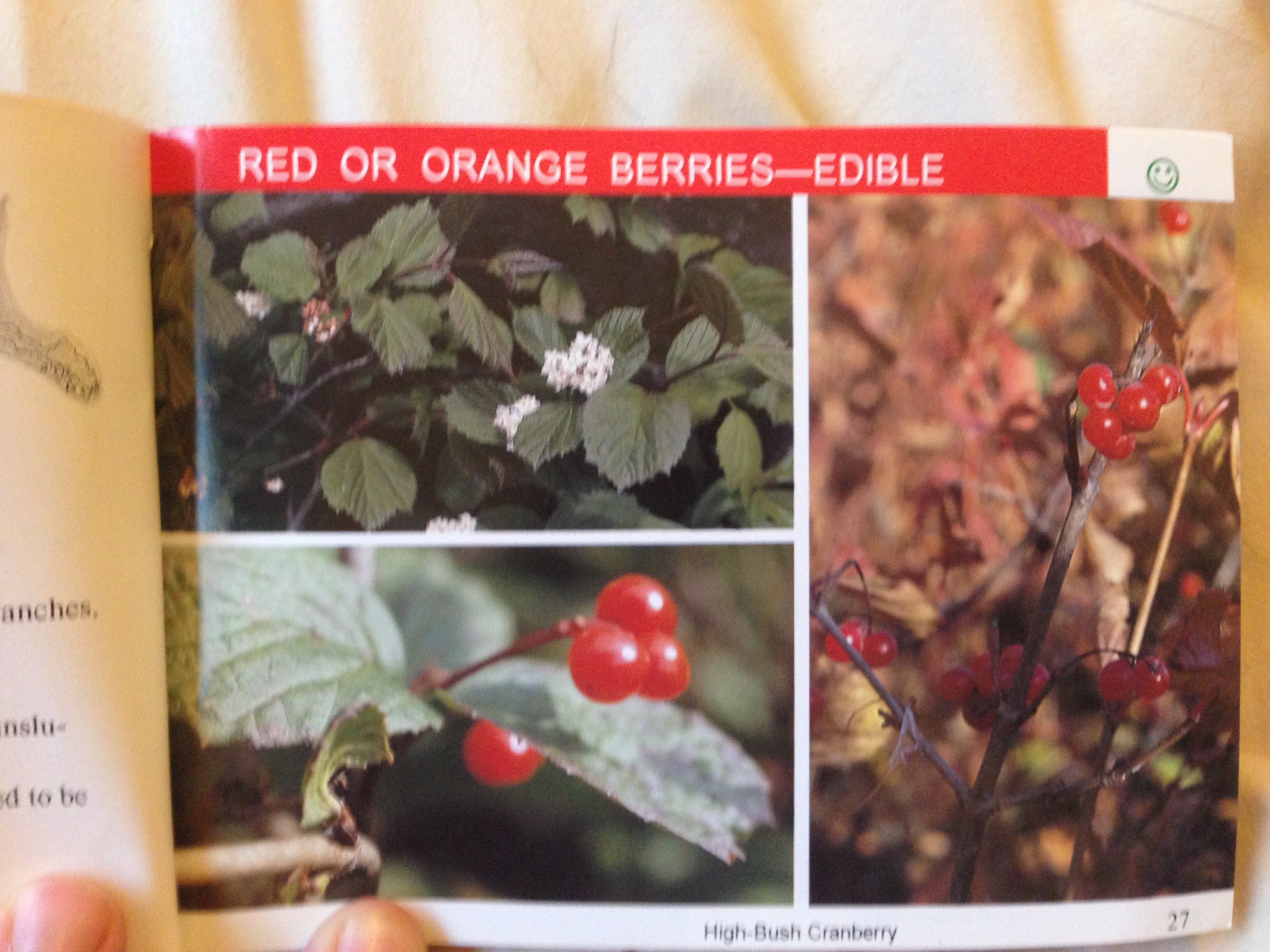
I wanted to share one of my favorite berry guides. It’s a small book that you can slip in your pocket while you berry pick and has great full-color pictures of both flowers and berries on each berry plant. They also categorize berries according to color and if they are poisonous. Really handy.Berry Guide Berry guide2

Bog blueberry Management

So, I used google to look up “Wild bog blueberry” and I found this paper on managing wild stands of a few types of berries in Alaska.  It is right in line with what we are currently studying.  Turns out, it’s from our Prof! Bog blueberry management

Animal Pollinators

The Forest Service has an easy to navigate site on all of the different types of animal pollinators Animal Pollinators

What to do with old raspberry canes

I haven’t tried this yet but I really like making my own cards and thought what a great idea to use the old raspberry canes that are usually used for compost or just tossed and burned.

Raspberry cane paper

Work with haskaps

Others doing some work with Haskap Haskaps

Salad Spinner Lingonberry Cleaner

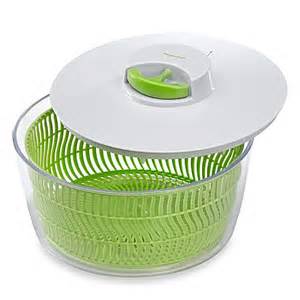
I wanted to share a quick and easy method that I use to sort leaves, dirt, and stems from my lingonberries (and it could be used for a variety of berries). I collected a few gallons of lingonberries this fall and didn’t really want to sort them by hand. I used a plastic insert from a salad spinner. It has slits that are lengthwise instead of holes like a colander. The slits catch the leaves and it is easy to shake the debris off the berries. Here is a similar one to what I used:salad spinner

Cloudberry Pollinators

This research is on cloudberry pollinators (Rubus Chamaemorus).Cloudberry pollinators

Cloudberry Management on a Norwegian Farm

Cloudberry Management

Good info about cloudberries and their significance in Norway. Great photos of berries – sheep and horses too. Family hopes to encourage cloudberries to grow on their farm and describes the steps they have taken so far.

Wild Strawberries

I was wondering if there are much of wild strawberries in Alaska. They are really popular in Russia. Wild Strawberries in Russia

Alaska On the Go

Alaska on the Go is a blog about traveling Alaska with children. This blog post is about berry picking:

Berry picking with kids

Svalbard Seed Bank

The Syrian Civil War has prompted the first withdrawal from the Svalbard Global Seed Bank, a stronghold of plant biodiversity that is described as the “final backup” for regionally important food crops.

“We did not expect a retrieval this early,” Crop Trust spokesman Brian Lainoff told NPR. “But [we] knew in 2008 that Syria was in for an interesting couple of years. This is why we urged them to deposit so early on.”

Reading this made me wonder if viable seed from any Alaska Native wild subsistence crops had found their way into the vault, but if climate change is the factor that might someday influence these crops to fail (as might have been the case in the geometrid moth outbreaks on the Kenai Peninsula), what good is a seed bank anyway? Replanting something in the same place where it failed to adapt fast enough is likely futile.

The answer might be in cataloguing traits. Cary Fowler, a creator of the Svalbard vault, believes much more needs to be done in not just possessing a seed, but understanding the desirable traits a plant might contain. Other crops might benefit from breeding that allows them to take on traits to better handle changing weather patterns and new disease and insect threats.

Since such genetic manipulation is not a tenant of wild stand management, I’d be interested in learning if managers have any idea as to how they might deal with threats related to a shifting climate.

Honeyberry, haskap plant sources

Honeyberries, aka haskap, are easy to grow in the interior.  Two good sources:

Tanana Valley Farmer’s market next year–track down Larry Duffy in the spring.  He has a great selection, and knows which ones to grow in combination for pollination.

Fedco Trees, out of Maine.  You must order between January and March (I think–there is a cut-off in mid spring when they will not accept any more orders).  You can choose your ship date (I usually choose the first week of May) http://fedcoseeds.com/trees/

FYI, St. Lawrence Nursery in northern NY is under new management, and has a limited offering next year.  They will likely not be selling their dwarf sour cherries or honeyberries.

Fruit Fermentation?

I’m really into fermenting everything from veggies to meat, so I thought others might be interested in two books by Sandor Ellix Katz.

The first is Wild Fermentation: The Flavor, Nutrition and Craft of Live-Culture Foods (ISBN: 978-1931498234, http://www.amazon.com/Wild-Fermentation-Flavor-Nutrition-Live-Culture/dp/1931498237).  I can’t wait to try the recipe for fruit kimchi and I have a recipe for cranberries and honey that I want to do for the holidays. I love how I can use fermentation to preserve my berry harvest and other foods.

The second is The Art of Fermentation: An In-Depth Exploration of Essential Concepts and Processes from Around the World (ISBN: 978-1603582865, http://www.amazon.com/gp/product/160358286X)

Harvesting Red Currants

Here’s a video where red currants are being collected by “pamputus”, hit by a stick, then cleaned. Fast picking, fast cleaning. I wonder is all that hitting good for the plant..?

The quality of the video is poor, but you’ll see the point!

Red Currant Harvesting

Baneberry

If you’re going to go out picking from a wild stand, make sure you can tell the difference between edible and poisonous berries. Of particular concern in the Interior would be the baneberry. Here are a couple links with photos: Baneberry